Ask any HR leader in India what keeps a team performing through a hard quarter, and most will eventually land on the same word: trust. Not the trust written into values posters, but the everyday kind, where a junior analyst can flag a mistake before it reaches a client, and a manager can admit they do not have the answer. That quality has a name in organisational research: psychological safety. And in 2026, with engagement under pressure and managers stretched thinner than ever, it has moved from a soft idea to a business priority that Indian companies can no longer afford to treat as optional.
Why Psychological Safety Is Suddenly an India Problem
For years, India looked like a bright spot on the global engagement map. That picture is getting more complicated. Gallup's State of the Global Workplace 2026 report found that worldwide employee engagement fell to 20 percent in 2025, its lowest level since 2020, a slide the firm estimates cost the global economy roughly 10 trillion dollars in lost productivity. India is not insulated from that trend, and one signal in particular should worry HR teams here.
The manager squeeze is hitting hardest in South Asia
Gallup's data shows that South Asia, which is dominated by India, recorded one of the largest declines in manager engagement of any region in 2025, an eight-point drop, even as the share of managers shrank. With the IT sector slowing hiring and trimming mid-level roles, the people responsible for setting the emotional tone of a team are themselves running on empty. That matters because Gallup also finds that managers account for around 70 percent of the variance in team-level engagement. When managers disengage, psychological safety is usually the first casualty, and teams quietly follow them down.
What Psychological Safety Actually Means (and What It Does Not)
Harvard professor Amy Edmondson, who coined the term, defines psychological safety as a shared belief that the team is safe for interpersonal risk-taking. In plain language, it is the confidence that you will not be punished or humiliated for speaking up with ideas, questions, concerns, or mistakes. In a psychologically safe team you tend to see four things show up consistently:
People ask questions without worrying that they will look incompetent.
Mistakes are surfaced early and treated as information, not as ammunition.
Disagreement with a senior person is possible without career risk.
Quieter team members and newer joiners actually contribute, rather than nodding along.
It is not about being nice
This is the most common misunderstanding, and it matters in the Indian context where hierarchy and politeness can blur into silence. Psychological safety is not the absence of conflict or a culture where everyone agrees to keep things pleasant. It is the opposite. Safe teams argue more, not less, because people feel secure enough to challenge each other directly. The goal is candour with respect, not comfort. A team that never disagrees is not safe; it is just quiet.
The Business Case: What the Data Says
The link between safety and performance is one of the better-evidenced findings in modern management research. Pulling together analysis from Gartner, Gallup, and Harvard Business Review, the pattern is striking:
Teams with high psychological safety show around 76 percent more engagement and a 27 percent lower turnover risk.
High-safety environments are associated with roughly 50 percent more productivity and 74 percent less stress, with employees 57 percent more likely to collaborate.
Some studies report that 93 percent of business leaders agree psychological safety boosts productivity and innovation, yet only about 32 percent of organisations actively promote it.
That last gap is the opportunity. Almost everyone agrees safety matters, but very few companies build it deliberately. For Indian employers facing attrition pressure and a thinner management layer, closing that gap is one of the highest-return moves available, and it does not require a big budget, only consistent leadership behaviour.
Five Habits That Build Safety in Indian Teams
Psychological safety is built in small, repeated moments far more than in grand initiatives. These five habits travel well across Indian workplaces, from a Gurugram startup to a Chennai engineering floor:
Lead with your own fallibility. When a manager openly says I got this wrong or I am not sure, they give everyone else permission to do the same.
Reward the messenger. Thank people for raising bad news early, even when the news is unwelcome. Punishing it once teaches a team to hide problems for months.
Ask more than you tell. Replace I think we should with what are we missing here, and then genuinely wait for the answer.
Protect the quietest voice in the room. In hierarchical settings, deliberately invite input from juniors before seniors weigh in.
Separate the idea from the person. Critique the work hard, but never let it tip into critique of the individual.
For people-managers who want to turn these habits into a structured programme rather than good intentions, our leadership team building experiences are built around exactly these behaviours.
Experiences That Make Safety Tangible
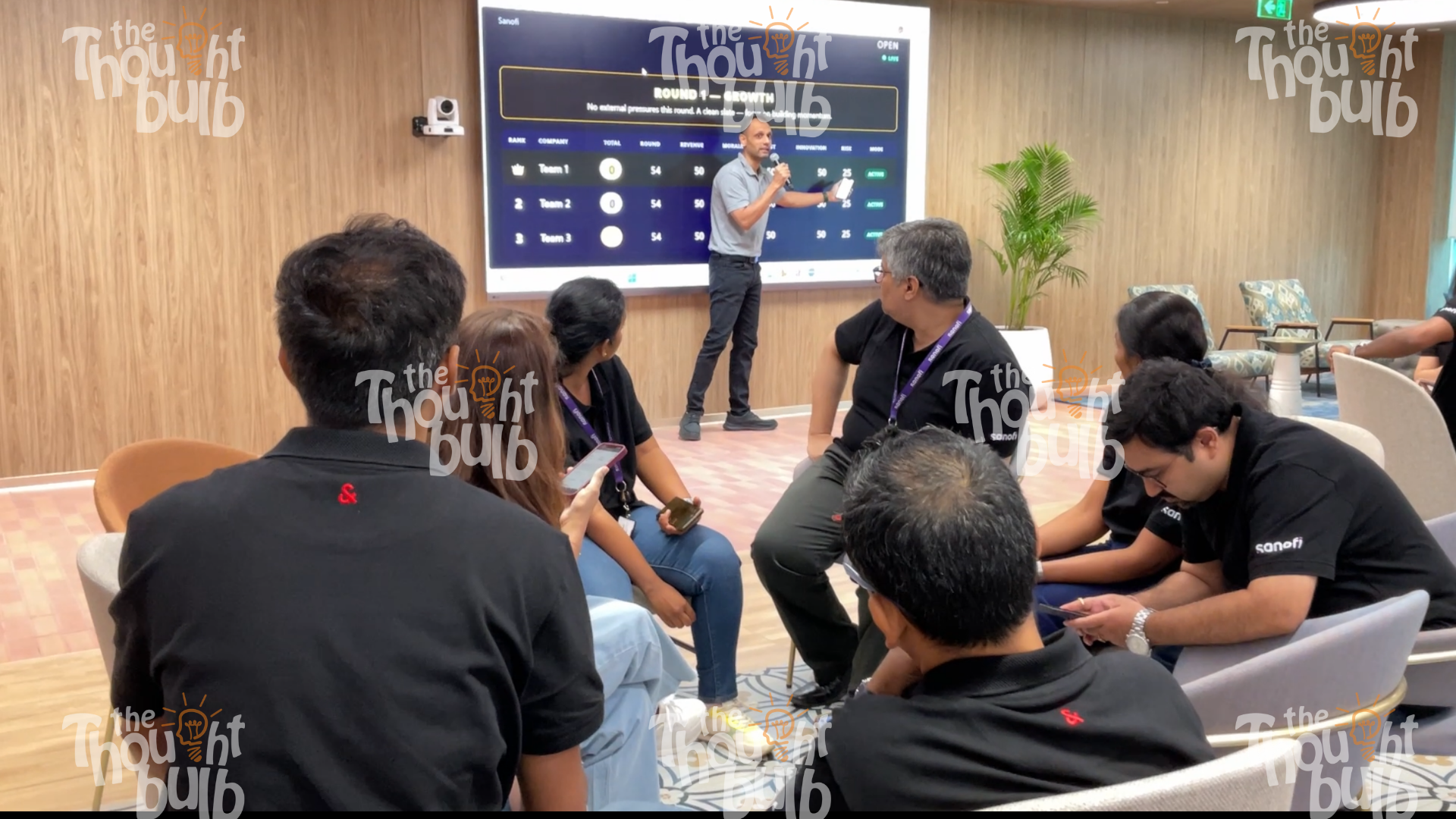
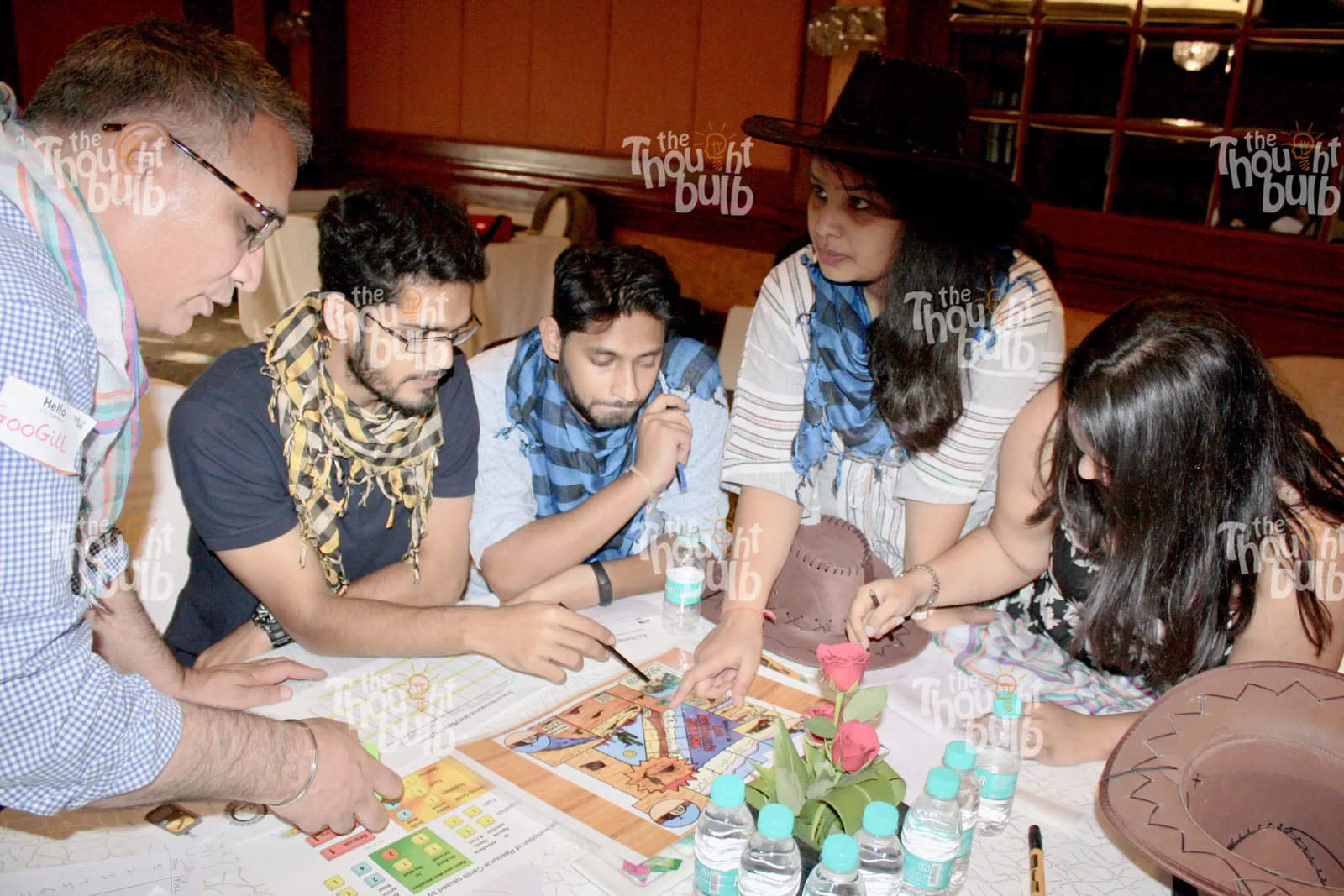
Workshops and town halls can talk about trust, but experiences let people feel it. Two of our most requested formats do this especially well. The Lost Dutchman's Gold Mine is a classic collaboration simulation where teams must share information and resources across groups to maximise a collective result. The catch is that hoarding feels safer in the short term, and the activity quickly exposes how a lack of trust between sub-teams quietly destroys value. Debriefed well, it gives a team a shared, slightly uncomfortable memory of what low safety actually costs.
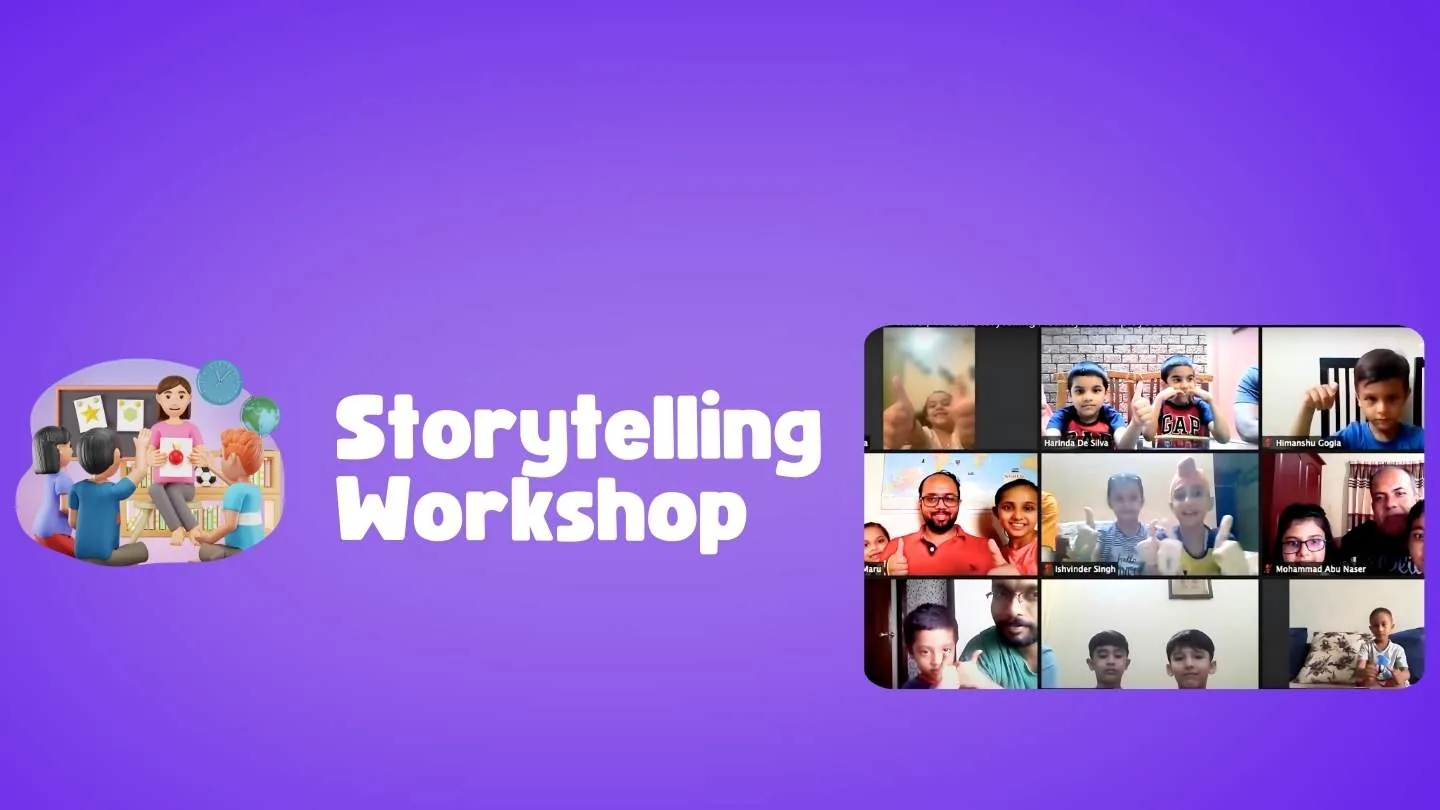
For distributed teams, the Storytelling Workshop: Once Upon A Time does similar work entirely online. It is a virtual session where small groups build and share stories together, and the simple act of narrating something personal, even playfully, gently lowers the stakes of speaking up. Teams that have laughed their way through inventing a story together tend to find it noticeably easier to voice a real concern in the next meeting, because they have already practised being a little vulnerable in front of each other.
You can browse the full range of trust and communication formats on our activities page and shortlist what fits your team's size and setting.
What It Looks Like in Practice
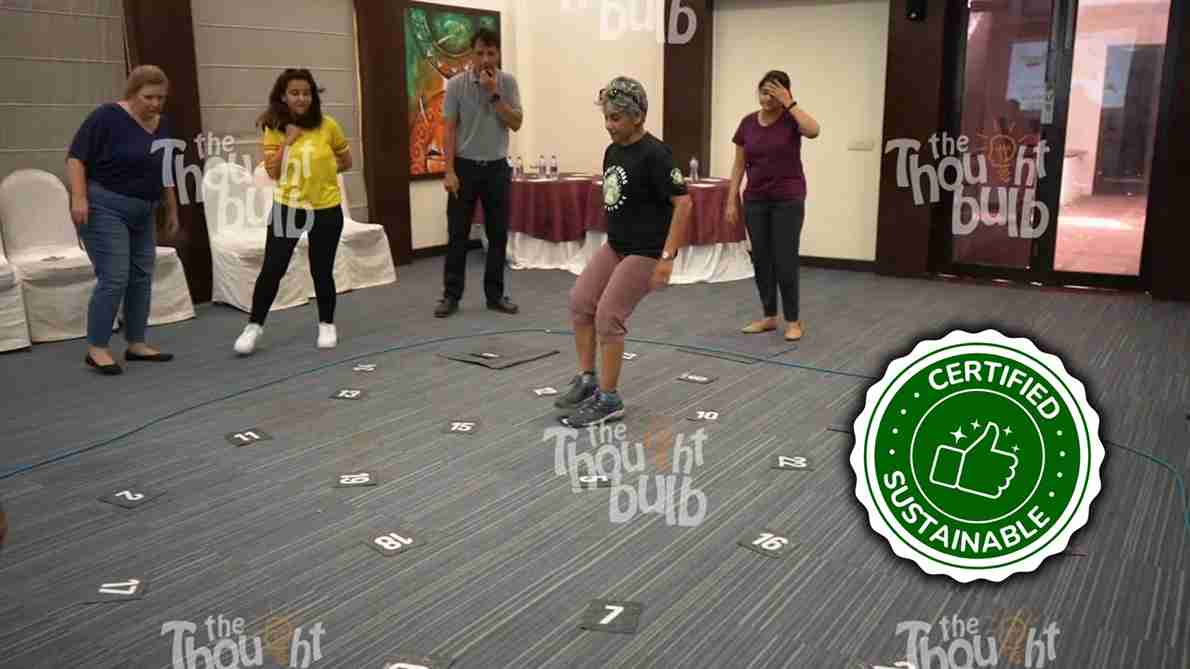
One of our clearest examples comes from a dedicated Workshop on Team Trust we ran for a corporate team that had grown quickly and felt the strain of it. New joiners and long-tenured members were polite with each other but rarely candid, and decisions were stalling because concerns surfaced only in side conversations, never in the room. The workshop used a sequence of structured trust exercises and guided debriefs to make the invisible visible: where assumptions were being made, where people were holding back, and why. By the end, the team had agreed a short set of working norms for how they would disagree and raise risks. The most telling outcome was not a survey score but a behaviour change, with issues that used to travel through back-channels now being put on the table in regular reviews.
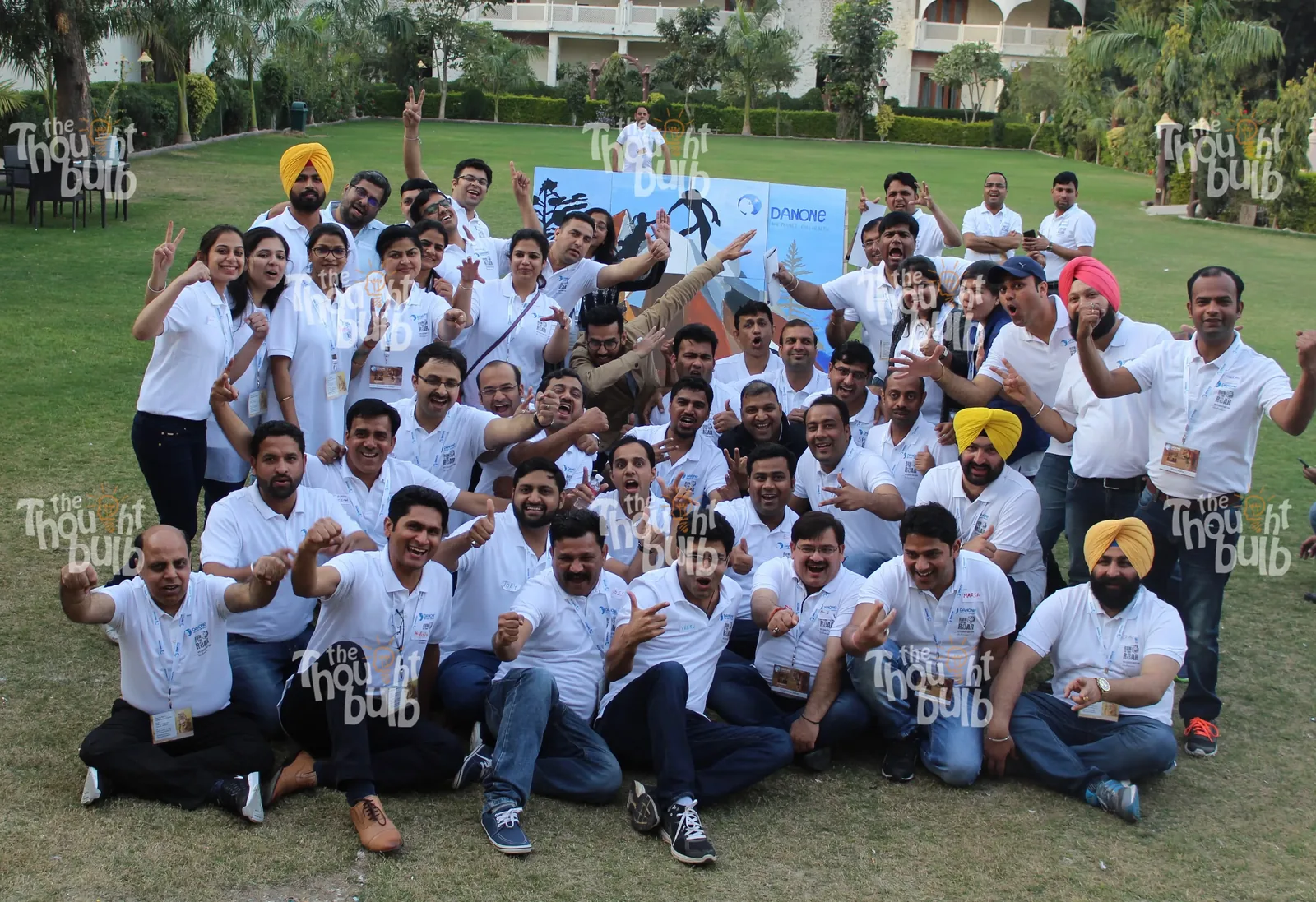
More examples of how Indian and global teams have used these experiences are collected in our case studies.
Measuring Progress Without Killing It
The fastest way to destroy psychological safety is to turn it into a target that managers are graded on, because people quickly learn to perform safety rather than practise it. Measure the climate, not individuals, and keep it lightweight:
Use a short, anonymous pulse with a few Edmondson-style statements, such as it is safe to take a risk on this team, asked every quarter.
Watch leading behaviours: are mistakes being raised earlier, are juniors speaking in meetings, is bad news arriving sooner.
Treat a dip as a prompt for a conversation, not a stick. The point is to learn where trust is thin, not to rank teams.
Where to Start This Quarter
Psychological safety is not a programme you finish; it is a standard you keep. The good news for Indian HR leaders is that it is also one of the few high-impact levers that does not depend on headcount or budget, only on the daily behaviour of managers and the occasional well-designed experience that makes trust real. If your team has been polite but cautious, or if a hard quarter has left people heads-down and quiet, this is a strong moment to act. Start with one honest team conversation about how you disagree, and if you want help turning that into something lasting, we would be glad to design an experience around your team.